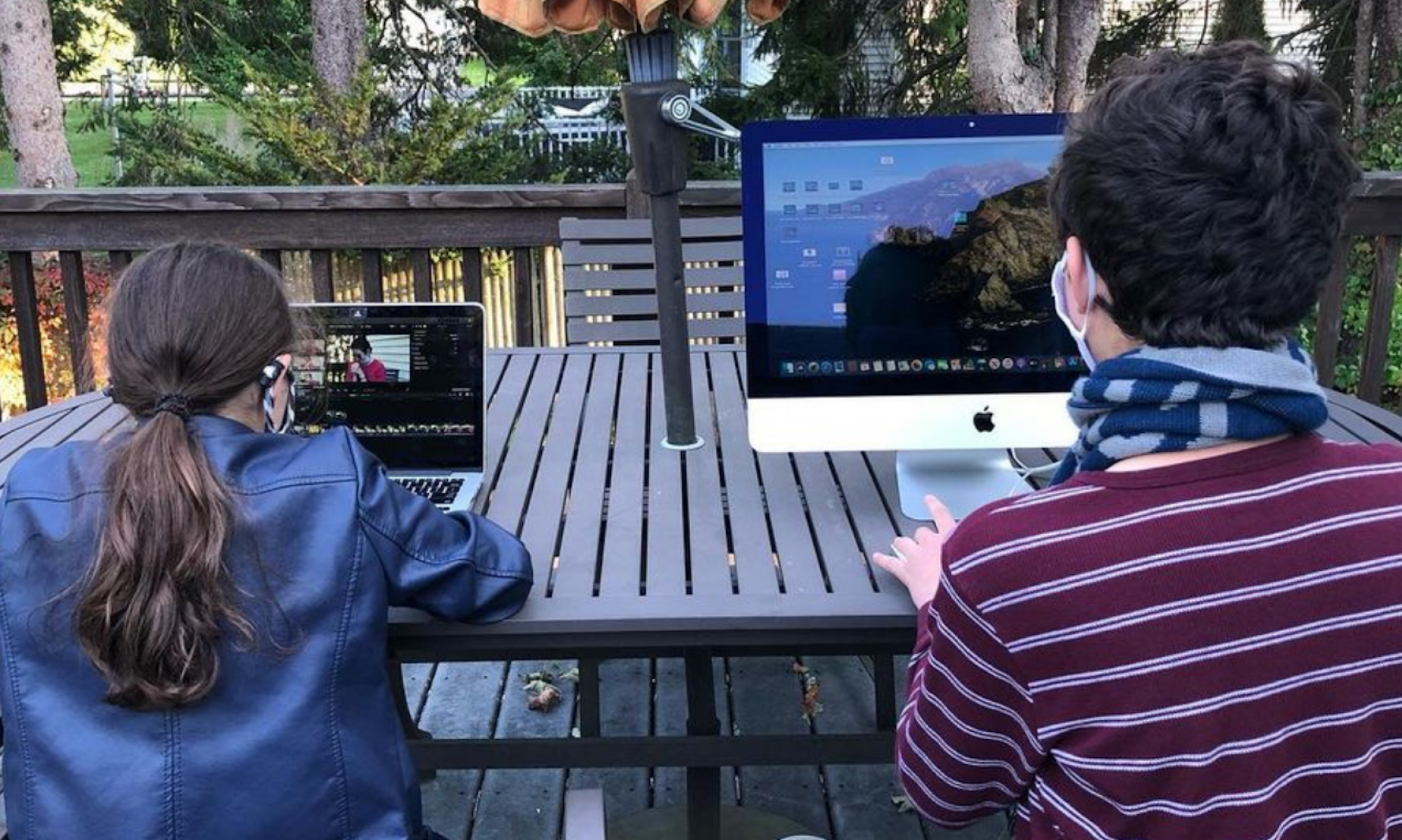
2D Animation Classes
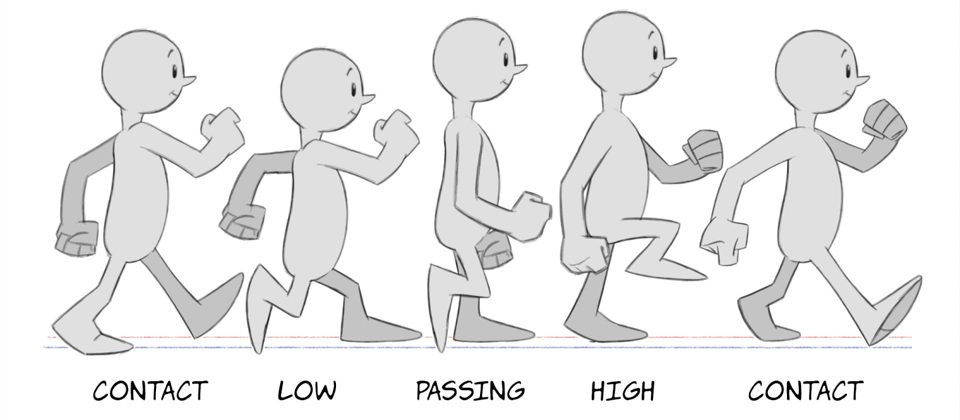
All about 2D Animation!
What is taught?
Who is a good fit?
Educational Benefits
The Principles of Animation
Students will learn the essential “laws of animation” needed to create a life-like animation. Principles like “Squash & Stretch,” “Timing,” and “Arcs,” were created by Disney animators in their quest to create realistic animations.
How to Draw and Add Motion to Drawings
2D Animation starts with one drawing, and then another, and another, and another…Just like the Disney animators, students will draw each frame of their animation. 1 second of animation is equal to 12 drawings, so patience is a plus!
Story Creation
By storyboarding an animation students will turn their idea into an actionable sequence of animations. From there, they will animate their scenes and do voiceovers or add music to the background!
Disciplined Doodlers
Does your kid spend hours drawing and doodling? Why not have them expand on those skills and bring their drawings to life! Beginner drawers are also welcome and encourage to try 2D Animation.
Patience is a Plus
While computer animation may be a better fit for kids who want quick results, hand-drawn 2D Animation carries with it the beauty of craftsmanship. Some of the most incredible and visually appealing animations were drawn purely by hand on paper.
Kids Who Struggle With Screen Time
Hand-drawn 2D Animation requires just a pencil, piece of paper, and lightboard! Offer your kids a new hobby that they can document with a screen, but not make with a screen!
We see the computer as a small player in the process not the center of attention.
Creative Expression
2D Animation teaches students how to build brand new concepts and/or expand on older ones. Through brainstorming and then storyboarding their animations, students access their innate imaginative abilities and apply it to their movie.
Laws of Physics
The 12 Principles of Animation, taught in 2D Animation, honor the basic laws of physics. Students learn about volume, weight, inertia, gravity, momentum, and force and how to apply them to their animations.
Problem-solving
When creating a 2D Animation, students will make mistakes! Fortunately, this is a great opportunity to see how applying one of the principles of animation can solve the problem.
What is taught?
Who is a good fit?
Educational Benefits
The Principles of Animation
Students will learn the essential “laws of animation” needed to create a life-like animation. Principles like “Squash & Stretch,” “Timing,” and “Arcs,” were created by Disney animators in their quest to create realistic animations.
How to Draw and Add Motion to Drawings
2D Animation starts with one drawing, and then another, and another, and another… Just like the Disney animators, students will draw each frame of their animation. One second of animation is equal to 12 drawings, so patience is a plus!
Story Creation
By storyboarding an animation students will turn their idea into an actionable sequence of animations. From there, they will animate their scenes and do voiceovers or add music to the background!
Disciplined Doodlers
Does your kid spend hours drawing and doodling? Why not have them expand on those skills and bring their drawings to life! Beginner drawers are also welcome and encouraged to try 2D Animation.
Patience is a Plus
While computer animation may be a better fit for kids who want quick results, hand-drawn 2D Animation carries with it the beauty of craftsmanship. Some of the most incredible and visually appealing animations were drawn purely by hand on paper.
Kids Who Struggle With Screen Time
Hand-drawn 2D Animation requires just a pencil, piece of paper, and lightboard! Offer your kids a new hobby that they can document with a screen, but not make with a screen!
We see the computer as a small player in the process not the center of attention.
Creative Expression
2D Animation teaches students how to build brand new concepts and/or expand on older ones. Through brainstorming and then storyboarding their animations, students access their innate imaginative abilities and apply it to their movie.
Laws of Physics
The 12 Principles of Animation, taught in 2D Animation, honor the basic laws of physics. Students learn about volume, weight, inertia, gravity, momentum, and force and how to apply these laws to their animations.
Problem-solving
When creating a 2D Animation, students will make mistakes! Fortunately, this is a great opportunity to see how applying one of the principles of animation can solve the problem.
Student Work
Levi’s Animation
A hand-drawn talking animation with original characters and a funny video voiceover!
Noah’s Animation
A creative take on the classic bouncing ball animation!
Example Lessons
Here are sample lesson plans from a 2D Animation course at Barrett’s Studio
Difficulty
3/5
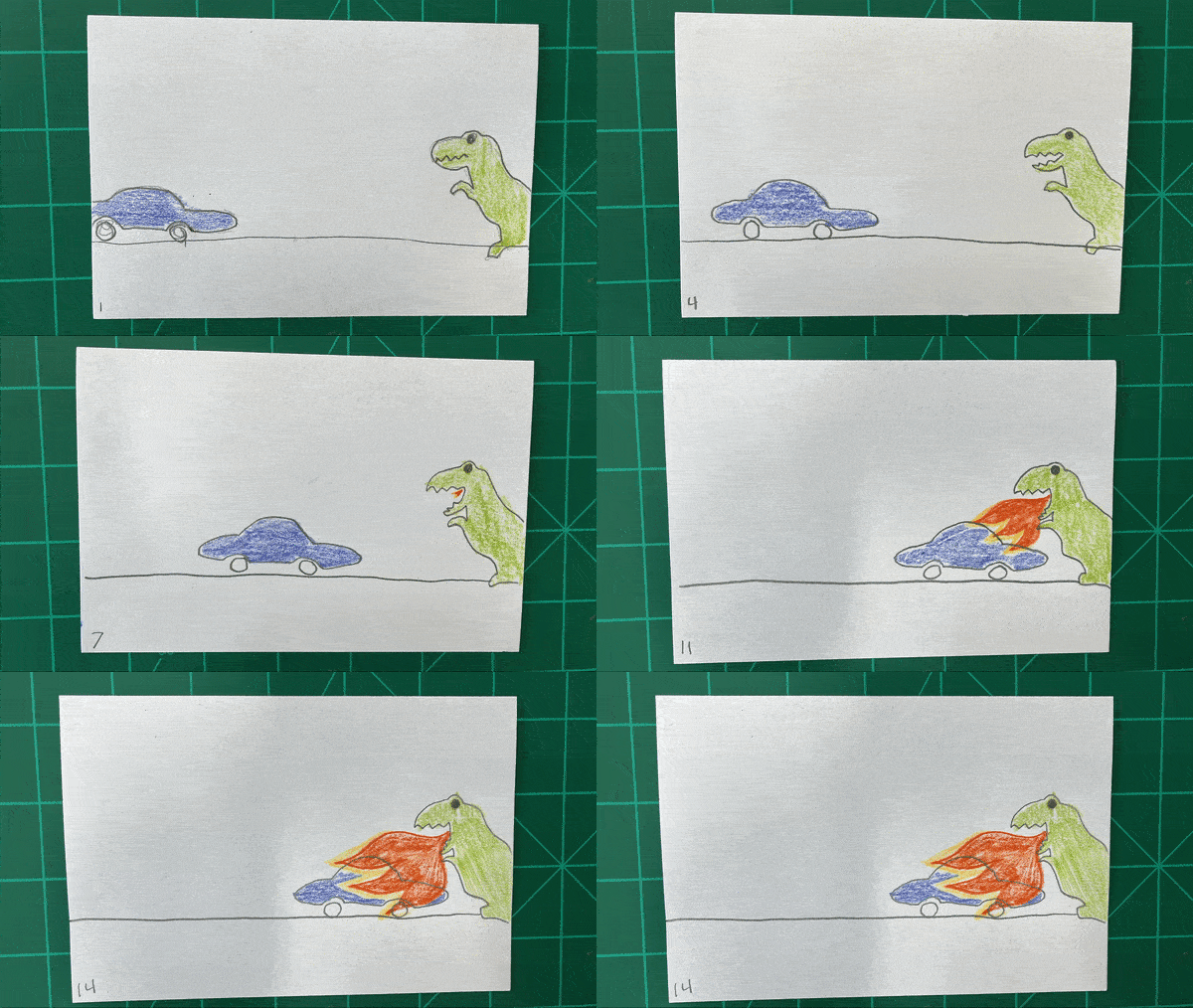
How To Make a Flip Book
Create your own movie using a pencil and piece of paper! This lesson expands on the classic flip-book and allows students to film their own 2D animation.
Materials Needed:
- Notecard Paper
-
Pen or Pencil
- Light Board
- Ruler
Difficulty
5/5
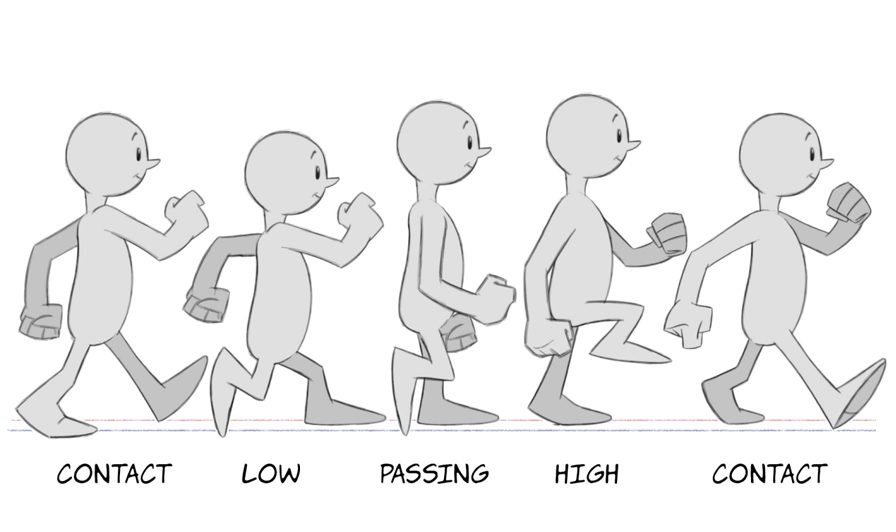
How to Animate a 2D Character
Every 2D character has movement and personality. In this lesson students will learn about the various steps and principles of animation needed to create a moving character. They will have to option to create a walk cycle, waving hand, or anything they come up with!
Materials Needed:
- Paper
-
Pencil
- Light Board
- Ruler
- Protractor
- Stop-Motion Studio App
2D Animation Classes Available
Available Classes
2D Animation classes offered in Needham, Ma!
Private Lessons
2D Animation private lessons and classes in Metrowest Boston.
Available Classes
2D Animation classes offered in Needham, Ma!
Private Lessons
2D Animation private lessons and classes in Metrowest Boston.
Frequently Asked Questions
What ages can take 2D Animation?
We offer classes and private lessons to kids ages 5-15!
Where do you offer in-person classes?
Our in-person classes are location in Needham, Massachusetts! But we also coordinate with parents to create in-person classes at their home in the Metrowest Boston area.
Yes, we do!
While it is recommended to have a computer, our teachers can bring their computer with them to an in-home lesson.
*A computer is required for virtual lessons.
Do we need to buy materials and supplies?
All materials and supplies are provided by the teacher. We also coordinate with parents if a computer and/or camera needs to be provided.
How long do classes or private lessons last?
Most of our in-person classes are one hour long but private lessons can be planned to fit the amount of time needed for the student.
Sign up to learn more!
Get first access to class registration, future events, special discounts, and more!
Phone Number
Subscribe
You have been successfully Subscribed!
Ops! Something went wrong, please try again.
 Barrett's Studio